An account
is a person.
An account is not data on a server.
It is a life lived in the digital age.
There are two worlds.
We live in both.
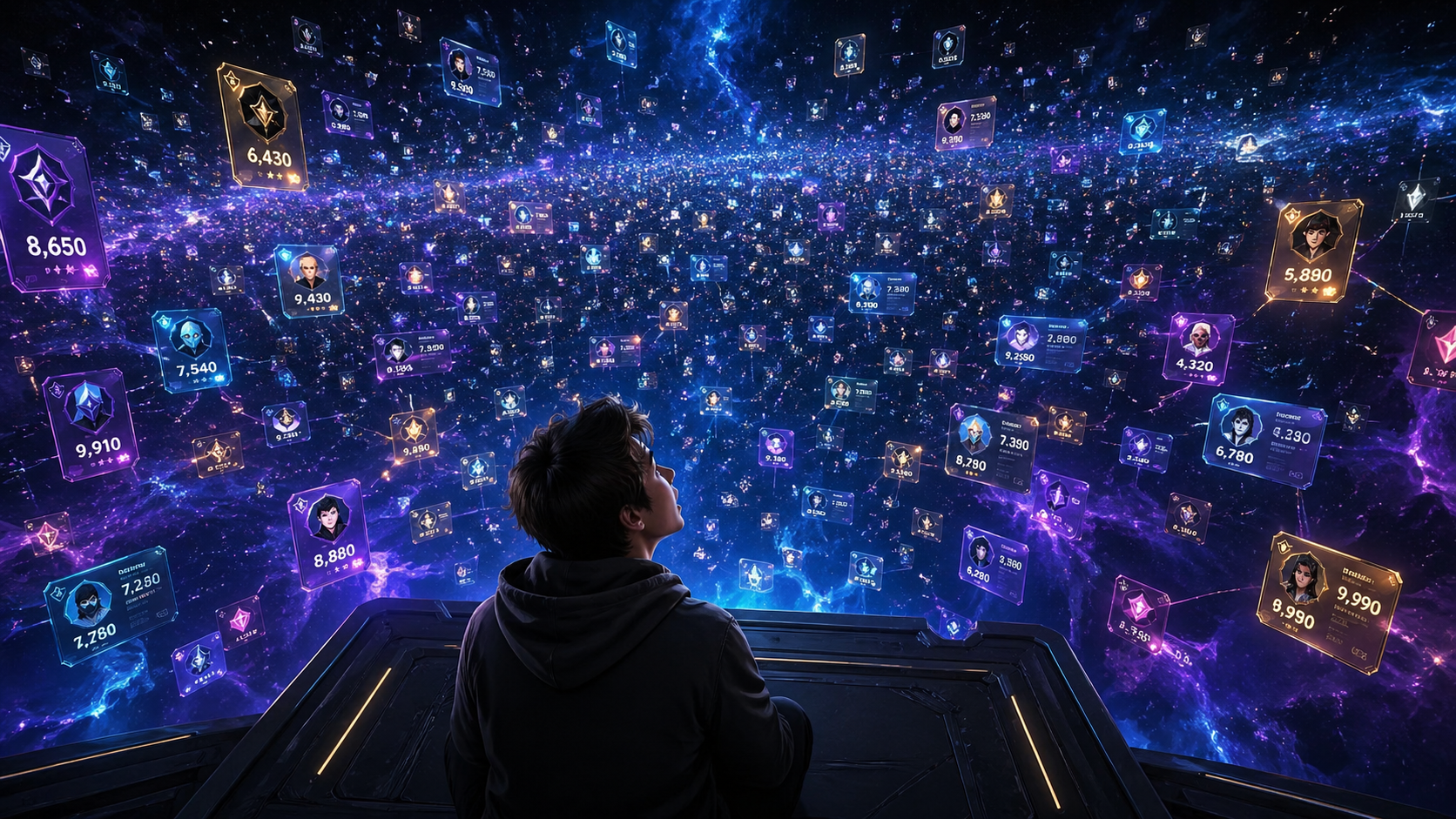
Six billion people on Earth. More accounts than that in the cloud. Every account is someone. Someone's time. Someone's footprints. Someone's self.
We live in both worlds at once. One we walk. One we touch. Twenty years ago, the internet built a bridge between them. Today, that bridge is no longer a bridge. It is daily life.
And yet, something is strange.
In the physical world, we have laws. Constitutions. Civil rights. Property rights. A shield centuries in the making.
Online, no one protects us. A single line in a Terms of Service decides the entirety of a person's digital existence.
Big Tech is not a government. It collects no taxes. It is not elected. It answers to no citizen. And yet it wields a power no government holds.
The power to erase a digital selfA Power No Government Holds
in a single instant.
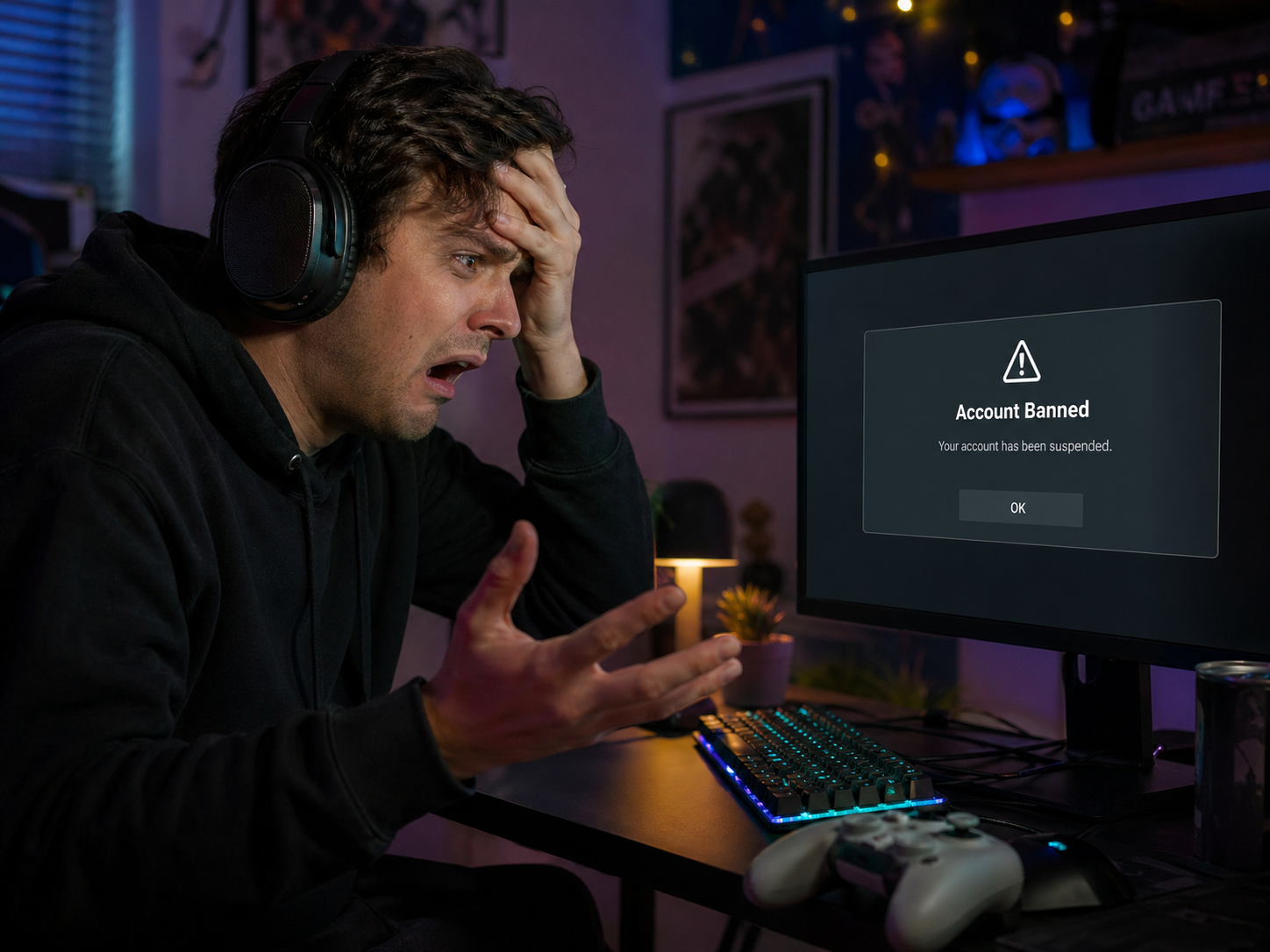
Today, somewhere, an account is suspended. The reason is unknown. The notice is one-way. There is no court of appeal. Years of writing, of friendships, of reputation, of memories — gone.
This is not a service interruption.
This is an execution. In the digital world.
A human being, by nature,
has many faces.
In the physical world, we live many lives. Someone's son. Someone's father. Someone's colleague. Someone's friend. Many selves coexist inside one person. That is what being human is.

But online, only one account is allowed per person. A multidimensional self, collapsed into a single profile.
So people search for an Alt. For another job. Another hobby. Another self. The need is legitimate. The path is dark.
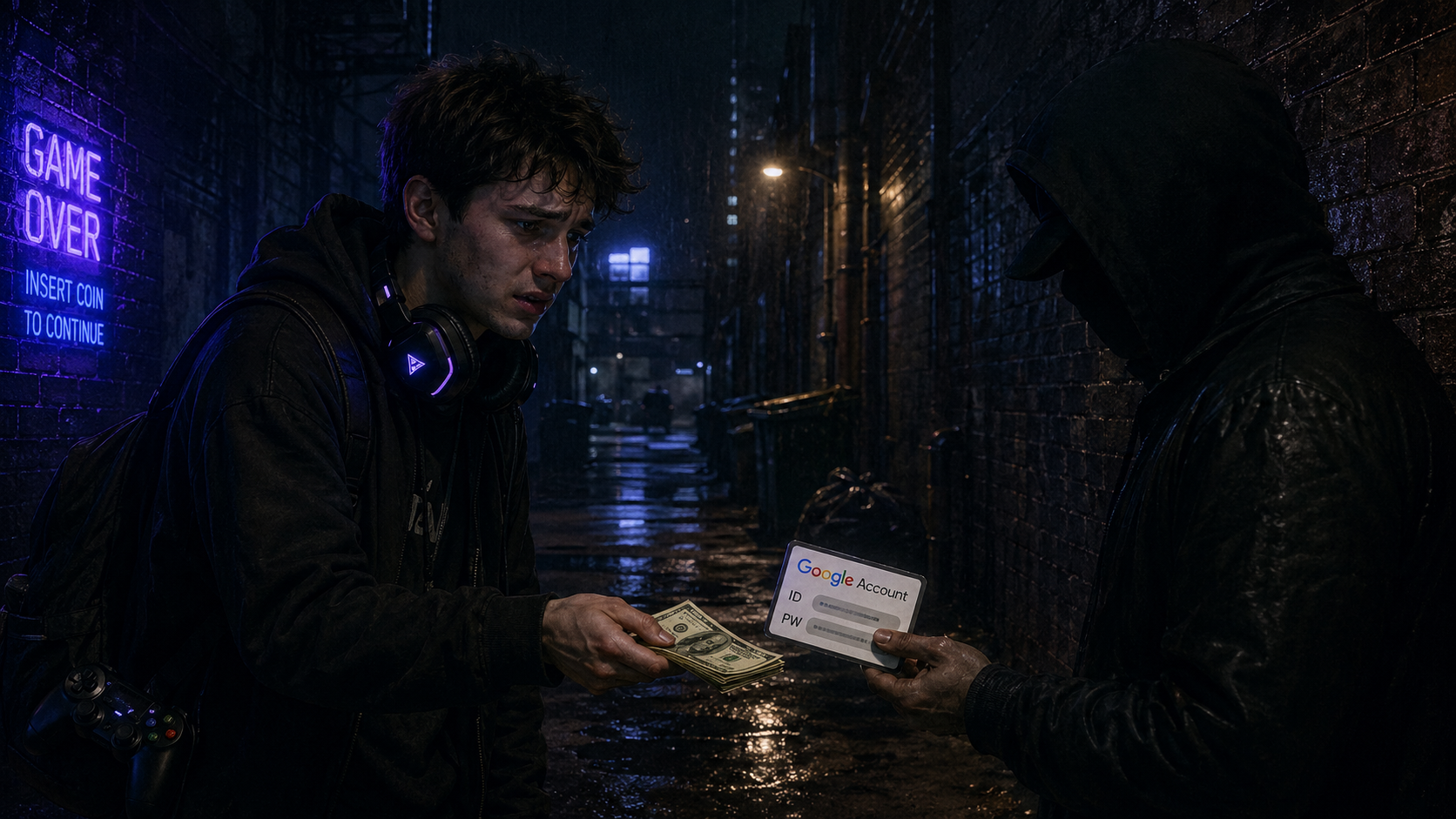
Accounts created with someone else's identity get traded in shadow. Sellers' personal data leaks. Buyers' assets can be reclaimed at any moment. The market exists. The infrastructure does not.
Whose account
is it, really?
An account is not a tool.
An account is — a person.
Is it a license issued by the platform? Then why do we live our lives inside it? Is it a row of data on a server? Then why do we grieve when it disappears?
An account is a person, in the digital age.
A person cannot be sold.The First Principle
A person cannot be taken.
A person belongs only to themselves.
AltsCodex begins from
this single truth.
We don't ask the user.
"Would you like an account?"
We declare.
"Your account has been yours from the very beginning."
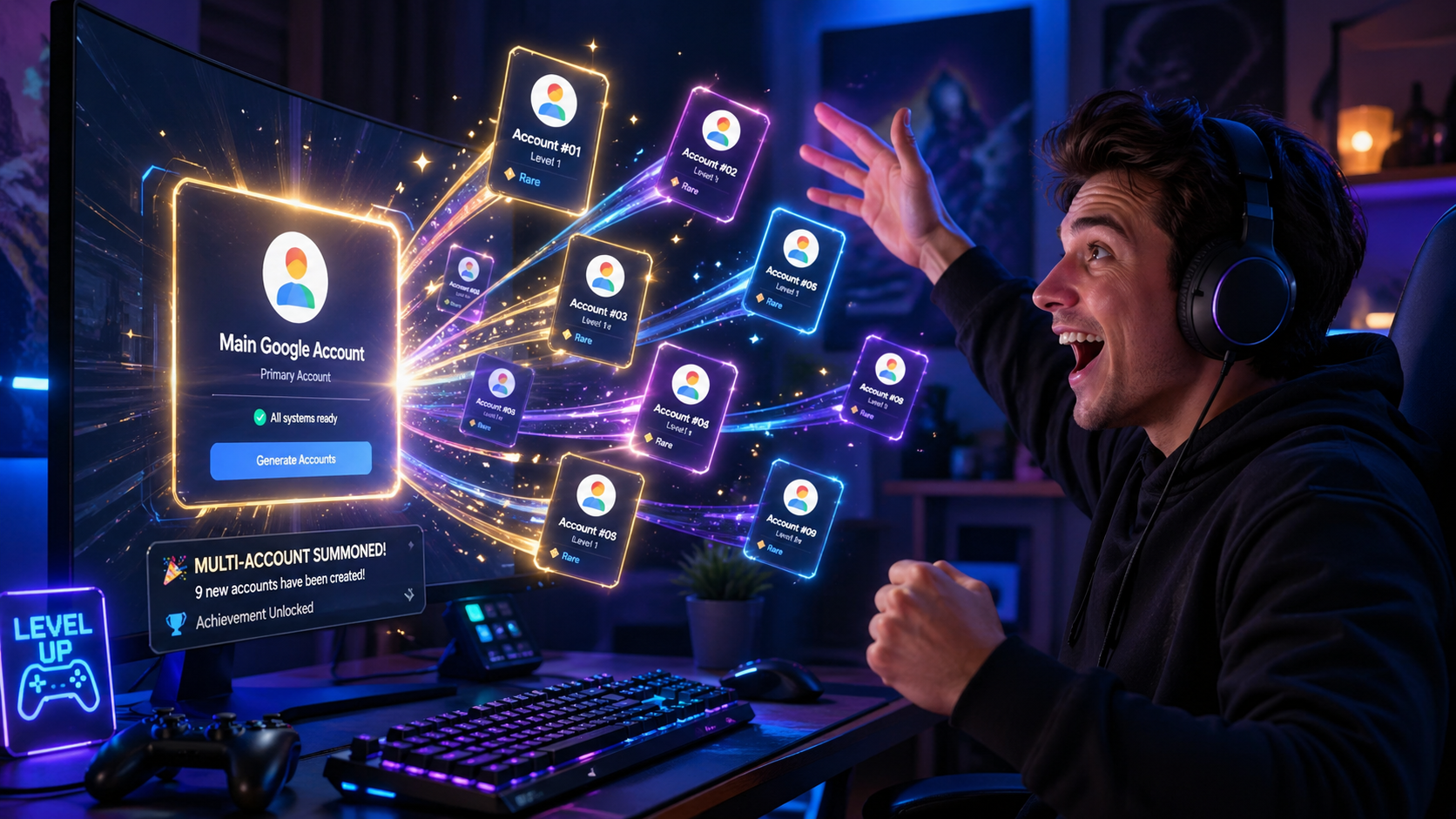
Under one Main, the user creates as many Alts as they need. For one purpose. For one identity. For one new freedom.
Each Alt is a digital person of its own, written permanently on the blockchain. The platform may vanish. The operator may change. No one can erase it.
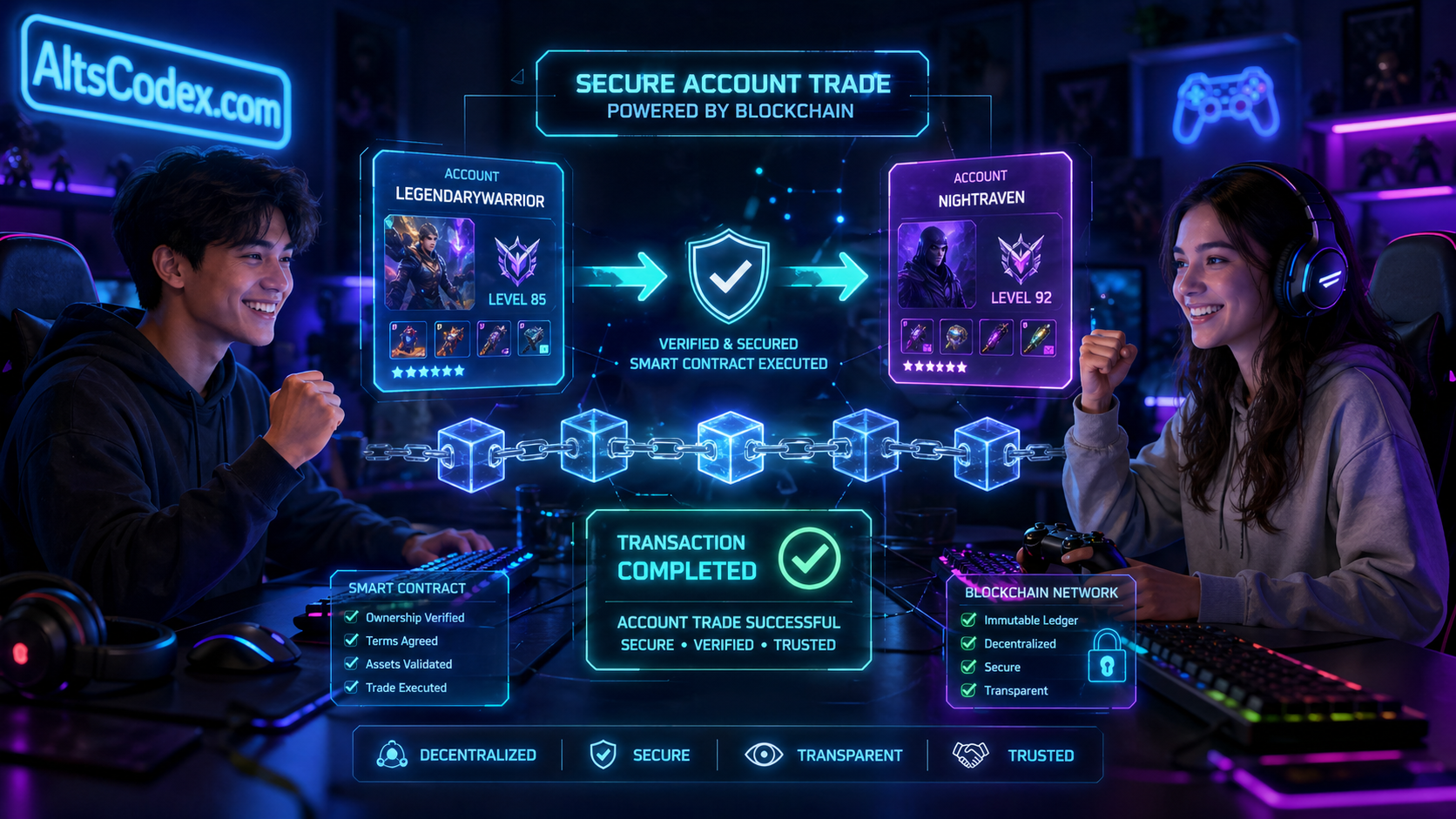
When the moment comes, the user can transfer their Alt to another. Not in shadow, but in daylight. Not in risk, but in proof. The smart contract executes the trade. The blockchain proves ownership.
No more borrowed identities. No more shadows of fraud. No more threat of clawback.
Big Tech asks.
We answer.
this power away from us?
to begin with.
In this era, perhaps we are rebels. People who break the rules, question the conventions, plant a new flag in Big Tech's territory.
But humanity has always moved forward because of such people. Those who invented property rights. Those who claimed civil rights. Those who established copyright.
Every one of them began as a rebel. And the order they built became the next generation's freedom.
Now —The Next Order
it's the turn of digital personhood.
AltsCodex is not just a service.
AltsCodex is not just a technology.
AltsCodex is — a movement
to return personhood to the user.
— This is our promise. This is our beginning. —